

 Prashant Sahani
 Foodie Tips: How to Enjoy Local Cuisine Safely While Traveling Abroad
Understanding Food Safety Standards Around the World
🍽️ Food Safety Awareness While Traveling Abroad 🌍
Food safety standards vary significantly from one country to another, influenced by local practices, cultural norms, and government regulations. 🌎 In many developed nations, strict protocols are maintained and regularly enforced by health authorities, ensuring high levels of hygiene and safety. 🧼 However, in some developing countries, the level of enforcement may differ due to limited resources or informal food markets. 🛒 Travelers should remain alert and observe food preparation conditions, especially when enjoying street food. 🍢 Being mindful of cleanliness, freshness, and local preparation methods can greatly reduce the risk of foodborne illnesses.
💡 Smart Choices for a Safe Culinary Journey ✈️
While trusting your instincts is valuable, it’s equally important to rely on credible food safety sources, such as the World Health Organization (WHO) 🌐 or official government travel advisories. 📋 These resources provide destination-specific safety insights. Engaging with locals and fellow travelers can also help identify reputable eateries and safe dining habits. 🥗 By equipping yourself with the right knowledge and awareness, you can confidently savor authentic local cuisines 😋 while minimizing health risks. Understanding global food safety diversity is key to ensuring that every bite abroad is both delicious and safe. ✅🍴
Foodie Tips: How to Enjoy Local Cuisine Safely While Traveling Abroad
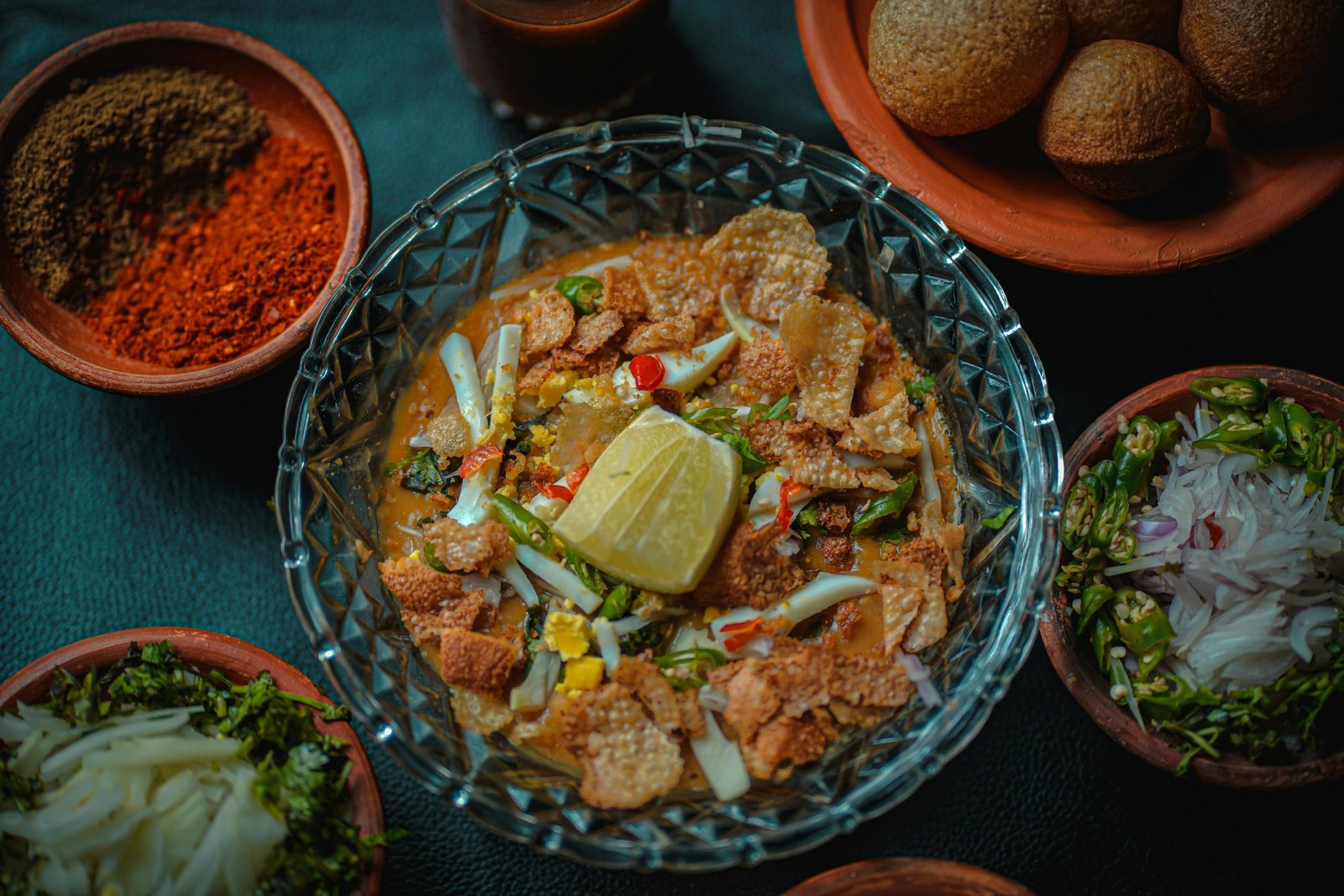
Exploring local cuisine is one of the most rewarding parts of travel 🌍. The aromas, flavors, and traditions tied to each dish tell stories of culture and community. But to make sure your food adventures are safe and enjoyable, here are some smart foodie tips 👇
🥗 1. Eat Where Locals Eat
🍴 Locals know the best and safest places to dine!
Choose busy restaurants or street stalls with long queues — this means high food turnover and fresher ingredients. Avoid empty spots, especially during mealtimes.
💧 2. Be Careful with Water
🚱 Always drink bottled or filtered water.
Avoid ice cubes, as they might be made from tap water. Even for brushing your teeth, use bottled water in regions where tap water isn’t safe.
🧼 3. Check Hygiene Standards
👀 Before you sit down, look at how clean the tables, utensils, and cooking area are.
A clean environment usually reflects safe food handling practices.
🍛 4. Start Slow with Street Food
🌮 Street food is delicious but can be risky if your stomach isn’t used to local spices or microbes.
Start with small portions and gradually try more once you know what suits your digestion.
🔥 5. Eat Cooked, Not Raw
🍲 Stick to cooked food, especially in areas with uncertain hygiene.
Cooking kills most harmful bacteria and viruses. Avoid raw seafood, salads, or unpasteurized dairy.
🕒 6. Eat Fresh and Hot
🍜 Freshly cooked, steaming hot food is generally safer than cold or pre-made dishes.
Heat kills germs — so if it’s hot, it’s likely safe!
🛒 7. Check Food Storage
🥶 Make sure cold items (like meat, dairy, or desserts) are properly refrigerated.
Avoid food displayed in the open under the sun or near flies.
🥢 8. Use Your Own Cutlery
🍴 If you’re unsure about hygiene, carry a portable spoon, fork, or chopsticks.
It’s a small effort for big peace of mind while traveling.
🧍♀️ 9. Watch How Food Is Prepared
👨🍳 Observe the cooking process — are the cooks wearing gloves or using clean utensils?
Transparency is key to trust in street food stalls or local eateries.
🧳 10. Carry Digestive Aids
💊 Keep antacids, probiotics, or oral rehydration salts in your travel kit.
Your stomach might need some help adapting to new flavors and ingredients.
🍹 11. Avoid Overindulging
😋 Trying too many new dishes at once can upset your stomach.
Pace yourself and give your body time to adjust.
🍇 12. Wash Fruits Before Eating
🍏 Rinse fruits with bottled or purified water, or peel them yourself.
Avoid pre-cut fruits sold on streets unless you trust their hygiene.
🌿 13. Be Wary of Sauces & Condiments
🥫 Some sauces might contain tap water or spoil quickly in heat.
Ask for sealed packets or skip condiments that have been sitting out.
🧠 14. Research Before You Go
📱 Read traveler reviews, local blogs, and watch food vlogs before you eat somewhere new.
Knowing local eating customs and safe dishes helps avoid surprises!
😄 15. Trust Your Instincts
👃 If something smells off or looks suspicious — don’t eat it.
Your senses are your best guide while exploring unfamiliar cuisines.
✨ Final Tip: Balance Adventure & Awareness
Enjoying local cuisine is more than tasting new flavors — it’s about embracing the culture and stories behind every dish. 🍲 Stay mindful of hygiene, choose wisely, and savor each bite with curiosity and care. 🌍 Let food be your bridge to understanding people, traditions, and the true essence of every destination you explore. ❤️




0 Comment